
Quick note up front: I won’t help with evading detection or deceptive tactics. Instead, here’s a practical, human-forward guide to reading Solana on-chain data, using token trackers, and getting value from a blockchain explorer without getting lost in noise. I’m not perfect, and some things change fast—so take this as a practitioner’s playbook, not gospel.
Okay, so check this out—Solana is fast. Really fast. That speed is amazing and it can also be maddening when you want to trace a single transfer or understand token holder concentration. My instinct said «there’s gotta be a better way,» and after digging through a bunch of explorers and dashboards I landed on workflows that actually save time. Here’s what I rely on and why.
First, what I look for when I open an explorer: transaction context, program-level instructions, token account state, and historical holder trends. Sounds simple. But the UI, terminology, and raw log output can trip you up if you’re used to EVM chains. For example, on Solana most tokens are SPL tokens and transfers happen between token accounts, not directly between wallets. That difference alone confuses newcomers a lot. (Oh, and by the way… lamports are the native unit—1 SOL = 1e9 lamports.)
How I track a token, step by step
Start with the mint address. Paste it into the search bar and inspect the token’s mint info. Who created it? What’s the decimal? How many tokens minted? Next, open the token holders list. This is where patterns appear: a few large holders often indicate centralization; many tiny holders usually mean wider distribution. Then drill into suspicious holders—click a holder, view its transactions, and follow the token-account flow. Often you’ll see a swap into a liquidity pool or a move to a program-owned account.
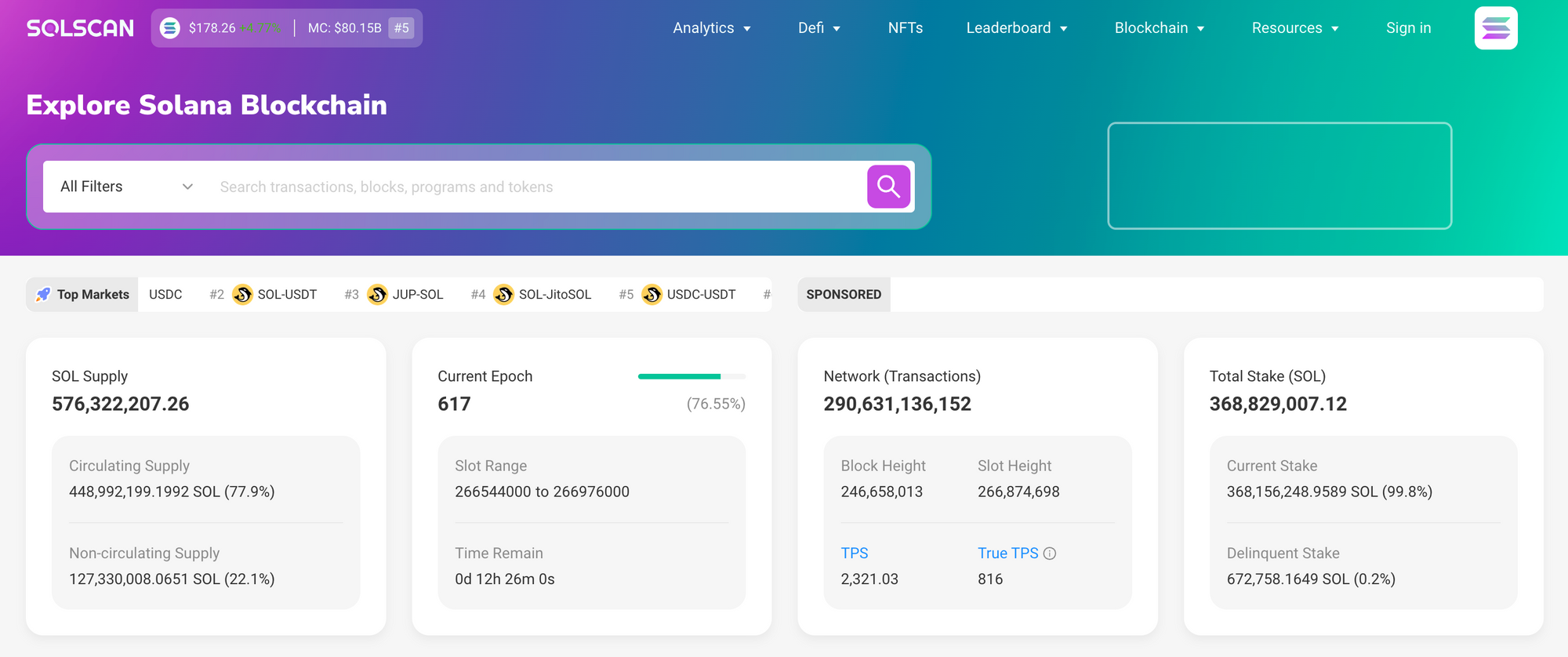
One tool I use frequently is the solscan explorer for quick lookups. It surfaces program logs, transaction instructions, and token account details in a way that’s approachable without sacrificing depth. I’m biased toward explorers that show inner instructions and human-readable program names, because raw base64 logs can be a pain to decode on the fly.
When a transaction looks weird, check the inner instructions and the pre/post balances. Those tell you where value moved and whether a program performed multiple steps. For DeFi, also inspect the pool’s authority and associated token accounts. Often the «aha» moment comes from seeing the treasury or fee account movements that are otherwise buried.
Another practical tip: use the cluster selector. Mainnet-beta is your real data. Devnet helps you test interactions but won’t reflect actual market behavior. Some explorers default to mainnet but double-check it—I’ve chased phantom issues because I was looking at devnet logs by mistake. Also, RPC nodes matter. Slow RPC = incomplete or delayed data. If the explorer allows multiple RPC endpoints, try switching if something seems off.
Fees on Solana are tiny, yet they show up in transaction details in a useful way. Look at the fee payer. Often a bot or a multisig covers fees for many tiny transactions. That pattern can hint at automated market makers or airdrop scripts in action. Seriously, spotting a repeated fee payer saved me hours once when investigating airdrop claims.
Logs. Please check logs. They reveal program errors, return values, and sometimes helpful debug messages from the program author. But logs can be long and messy, so focus on keywords and instruction indices. If a transaction failed, the log is your best clue to why. Initially I thought failed txns meant «no action,» but then realized many failures are partial—some inner instructions succeeded, others didn’t. That nuance matters for accurate analysis. Actually, wait—let me rephrase that: a failed top-level instruction doesn’t always mean no state changed; dig into inner instructions for the full story.
Token holder analysis is another big area. If a token has a handful of addresses holding 80% of supply, that’s concentrated risk. Watchlist features and alerts are invaluable. Set a threshold—say any transfer by a top-10 holder over X SOL or tokens triggers an alert—and you’ll sleep better. I use both manual checks and a few alert services, because automation catches things you miss at 2 a.m.
On-chain analytics: what to prioritize. Volume and liquidity first. Then holder distribution and transfer velocity. Finally, program interactions—are tokens being used in staking, in a lending market, or only swapped? These lenses let you separate hype from utility. Also, compare on-chain metrics with off-chain signals (social, code commits). If on-chain usage is low but social noise is high, be skeptical. This part bugs me—too many projects rely on hype without real on-chain activity.
For NFTs and collectibles, the token tracker approach changes slightly. Track the mint, but then inspect metadata URIs and update history. NFTs with mutable metadata can change ownership semantics after mint. Follow the metadata update instructions in the program logs to see if and when an issuer changed content or royalties. That practice once saved me from buying into an NFT with a surprise metadata swap (yeah, that happened).
Some advanced checks I do:
- Examine program-derived addresses (PDAs) to understand ownership semantics.
- Follow rent-exempt thresholds to see which token accounts might be ephemeral.
- Check epoch and slot timing to correlate transactions with validator behavior or indexer delays.
Remember: explorers are interfaces, not oracles. They read on-chain data and present it. If the explorer’s indexer lags, you’ll see stale or missing entries. Cross-check with another reliable source when accuracy is critical. That redundancy saved me from misreporting a token distribution event once.
Common questions
How can I tell if a token is centralized?
Look at the top holders distribution. If a handful of addresses control most supply, that’s centralized. Also check vesting schedules and token allocation transactions—these often reveal large allocations held in lockup or controlled by a multisig.
What’s the quickest way to trace a suspicious transfer?
Start at the mint or transaction hash. Follow token accounts rather than public keys alone. Inspect inner instructions and program logs, then trace outgoing transfers from any intermediary token accounts. Use alerts for real-time monitoring if you expect follow-up moves.
Which explorer should I use?
Use an explorer that shows inner instructions, program names, and token account state easily. For quick lookups and readable transaction context, try the solscan explorer; its layout lets you jump from token mint to holder to program logs fast. But it’s good to cross-check with another explorer occasionally.