
Whoa! I still remember the first time I opened a Solana app in my browser and felt… excited and a little nervous. The experience felt slick. Really? Yes. Phantom makes that slickness real, but it’s not magic. There are trade-offs. Here’s the thing. If you want a smooth Solana wallet that sits in your toolbar and talks to dApps without constant copy-paste drama, a browser extension is the obvious path.
At a glance, Phantom is a browser extension wallet tailored to Solana. It’s an account manager, key vault, and dApp connector all rolled into one. It lives as a small icon in Chrome, Brave, Edge, or other Chromium-based browsers. You click the icon, approve a transaction, and your token or NFT moves. Simple on the surface. Underneath, cryptographic keys are stored locally in encrypted form. That means your private keys never leave your machine unless you export them (don’t export them, please). My instinct said «trust, but verify»—and that advice holds.
Initially I thought extensions were inherently risky, but then I looked closer—how Phantom handles session approvals, how it scopes permissions, and how it isolates accounts. Actually, wait—let me rephrase that: extensions are risk vectors if you treat them like phone apps. On one hand, extension UI and permission models have improved; on the other hand, a hacked browser or a malicious extension can be trouble. So the practical takeaway is this: treat your browser like a safe, not a sandboxed bank. Security hygiene matters.
Installing the Phantom Extension — Practical Steps
Okay, so check this out—before you click anything, breathe. Verify the installer source. Phantom is commonly added to Chromium-based browsers via an extension store, but be very careful about impostors and look-alike pages. If you want the straightforward route, get the extension from the official place linked here: phantom. Click only one link. No multiple tabs. Keep it clean.
Once installed, you’ll be prompted to create a new wallet or restore an existing one using a secret recovery phrase. This phrase is the key to everything. Write it down on paper. Not in a notes app. Not on cloud storage. Paper or a hardware backup is best. Seriously? Yes. People lose access by treating their seed like an afterthought.
When you create a wallet, Phantom generates the seed and stores it encrypted locally. You set a password to unlock the extension. That password is a gate—make it strong enough to frustrate a casual thief but memorable enough that you don’t need written prompts littering your desk. Also, enable automatic lock after short idle time. Small steps reduce risk dramatically.
On the topic of accounts: Phantom supports multiple accounts and custom tokens. You can switch between identities—useful if you separate savings from day-to-day funds. Use separate accounts for trading, streaming fees, and experimental airdrops. It helps you limit exposure if somethin’ goes sideways.
One thing that bugs me is how many people blindly approve dApp permissions. When a site asks to connect, Phantom will show the accounts and request permission. Read it. Not skim. If a dApp requests signature approvals, look at the operation. Is it a one-time payment? Or a blanket approval to move tokens? Blanket approvals are convenient, but they are also dangerous. Revoke approvals you no longer need. There are tools and on-chain explorers that show allowances; keep an eye on them.
Security Best Practices (Realistic, Not Paranoid)
Hmm… this is where people either nod along or panic. Keep your browser and OS patched. Use a strong, unique password for the extension. Consider a hardware wallet for funds you can’t afford to lose—Phantom can connect to Ledger devices. On one hand, hardware adds friction; on the other hand, it prevents browser-level key theft. For large sums, hardware is worth the hassle. For everyday Opensea-style browsing, the extension alone is fine—if you follow good practices.
Enable phishing protection where available. Some browsers and extension ecosystems provide warning lists for known bad sites. Also, double-check URLs—phishing domains often look nearly identical. If a dApp promises free NFTs or unbelievable returns, that usually signals danger. Trust your gut. Seriously, if it seems too easy, it probably is.
Another tip: isolate. Use a dedicated browser profile for crypto activity. Keep no other extensions that aren’t strictly necessary in that profile. Why? Because extension-to-extension attacks are possible. Reduce the attack surface. It’s simple and effective.
Oh—and backups. You must have them. Paper seeds, steel backups, redundant copies stored separately. Think of your recovery phrase like a house key: if you lose it, you lose access. If someone steals it, they have everything. There, I said it. I’m biased toward metal backups because fire and coffee happen. Real life.
How Phantom Plays with Solana dApps
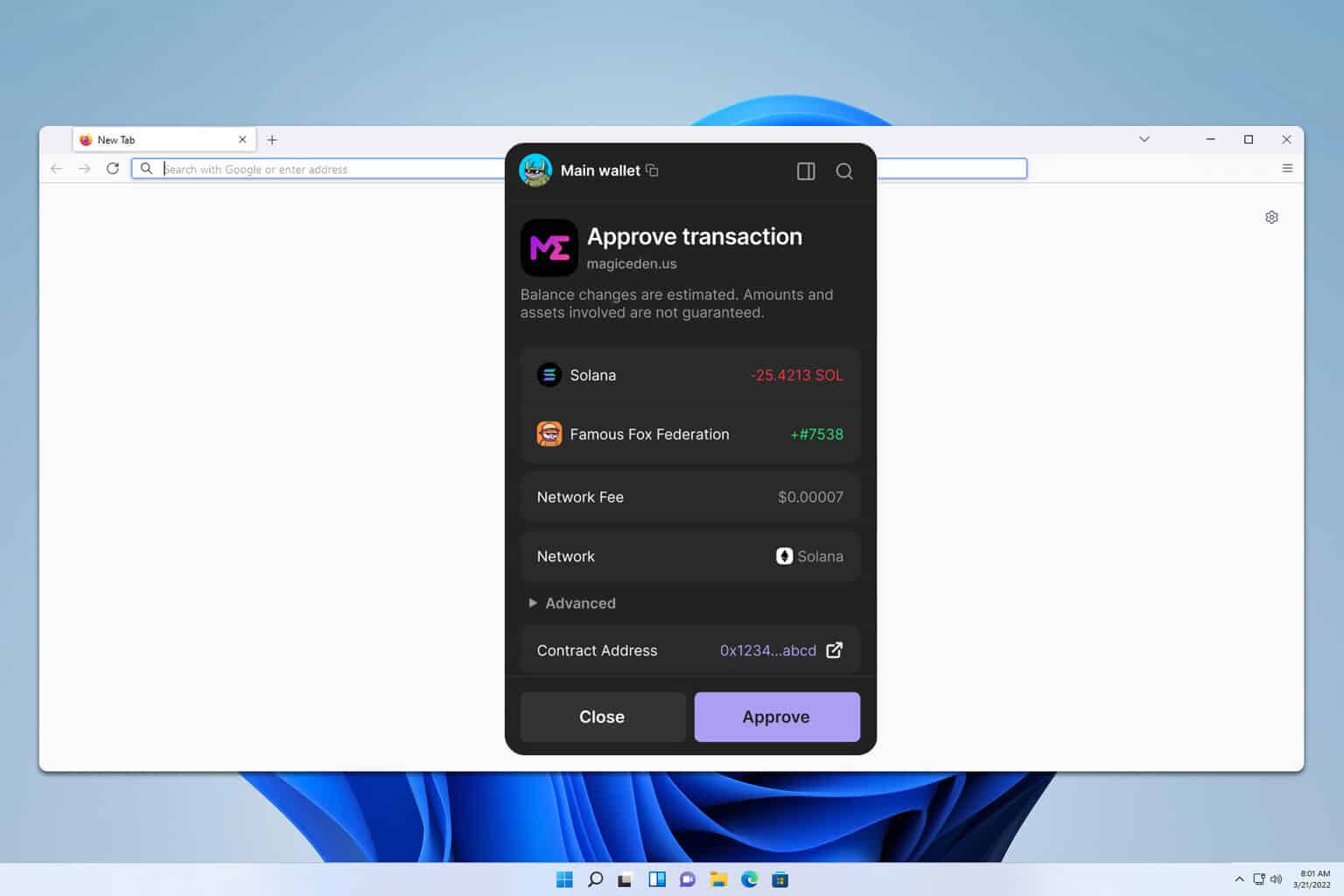
Phantom’s strength is its dApp integration. When you land on a Solana marketplace, swap interface, or game, the extension negotiates a connection. You approve transactions right from the popup. That reduces context switching, which is why Phantom feels so native. On the flip side, this convenience can make users trigger-happy. Take a breath. Check the destination address and the network fees before confirming—yes, those tiny lamport fees add up across many microtransactions.
Compatibility is solid for most mainstream Solana apps, but edge cases exist. Some specialized programs or transaction types may require manual handling or extra signatures. If something fails, look for console logs or transaction history in the wallet; they often reveal the issue.
For developers or power users, Phantom exposes an API that dApps can use. That keeps the UX tight. Developers: respect users. Minimal permission requests. Clear intent. No surprises. Users: if a site demands broad access with no clear reason, walk away. There are always alternative apps.
Common Questions About Phantom
Is the Phantom extension safe?
Short answer: moderately safe if you follow best practices. Long answer: it uses local encryption and modern security patterns, but no extension is immune to browser-level compromises. Use hardware wallets for high-value holdings, verify download sources, and practice good seed management. I’m not 100% sure about future vulnerabilities—nobody is—but current patterns are robust.
Can I recover my wallet if I lose my computer?
Yes. Your recovery phrase lets you restore the wallet on any compatible client. Keep multiple secure copies of that phrase. If you lose it, recovery is unlikely. Very very important: guard it physically.
Does Phantom work on mobile?
Phantom has mobile apps and mobile browser support, but the extension experience is best on desktop. Mobile apps are improving fast, though. Use them cautiously and keep backups.
In closing—well, not a neat wrap-up, because neat wraps are boring—if you want ease, Phantom gives it. If you want safety, you can get close with discipline. My instinct is always caution, but I’m also realistic about trade-offs. Use a dedicated profile, check every permission, back up your seed, and consider a Ledger for real money. Somethin’ feels good when your NFT trade goes through instantly. And that, oddly, matters.